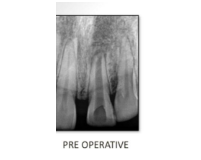
Phase 1: Access Opening and Canal Shaping
- Coronal access cavity was prepared using a round bur
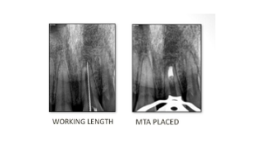
- Working length was determined using a #80 K-file with radiographic confirmation
- Cleaning and shaping was done using crown-down instrumentation
- Irrigation was carried out with 2.5% sodium hypochlorite (NaOCl) with controlled aspiration
Phase 2: Intracanal Medication
- The canal was dried using sterile paper points
- Calcium hydroxide (Ca(OH)₂) mixed with saline was placed as an intracanal medicament
- The tooth was temporarily restored
The patient was recalled after one week
Phase 3: MTA Apical Plug Placement
- The intracanal medicament was removed
- The canal was irrigated with NaOCl and dried using paper points
- Mineral Trioxide Aggregate (MTA – Angelus) was mixed according to manufacturer instructions
- MTA was placed into the canal using an MTA gun
- A 4 mm apical plug was formed and gently condensed using hand pluggers at the apical foramen
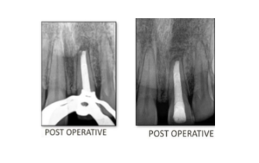
- Placement was verified with radiographic confirmation
Phase 4: Canal Obturation & Restoration
- A moistened cotton pellet was placed at the canal orifice, and the patient was recalled the next day
- After confirming the MTA had set, the remaining canal was sealed using warm vertical compaction
The patient was referred for prosthetic crown restoration
The treatment was provided under the care of Dr. Farijan Abdul Latheef, G.P Dentist, with 10+ years of clinical experience.