Skip to content Skip to footer

Ceramic Veneers for Chipped, Discoloured and Uneven Teeth

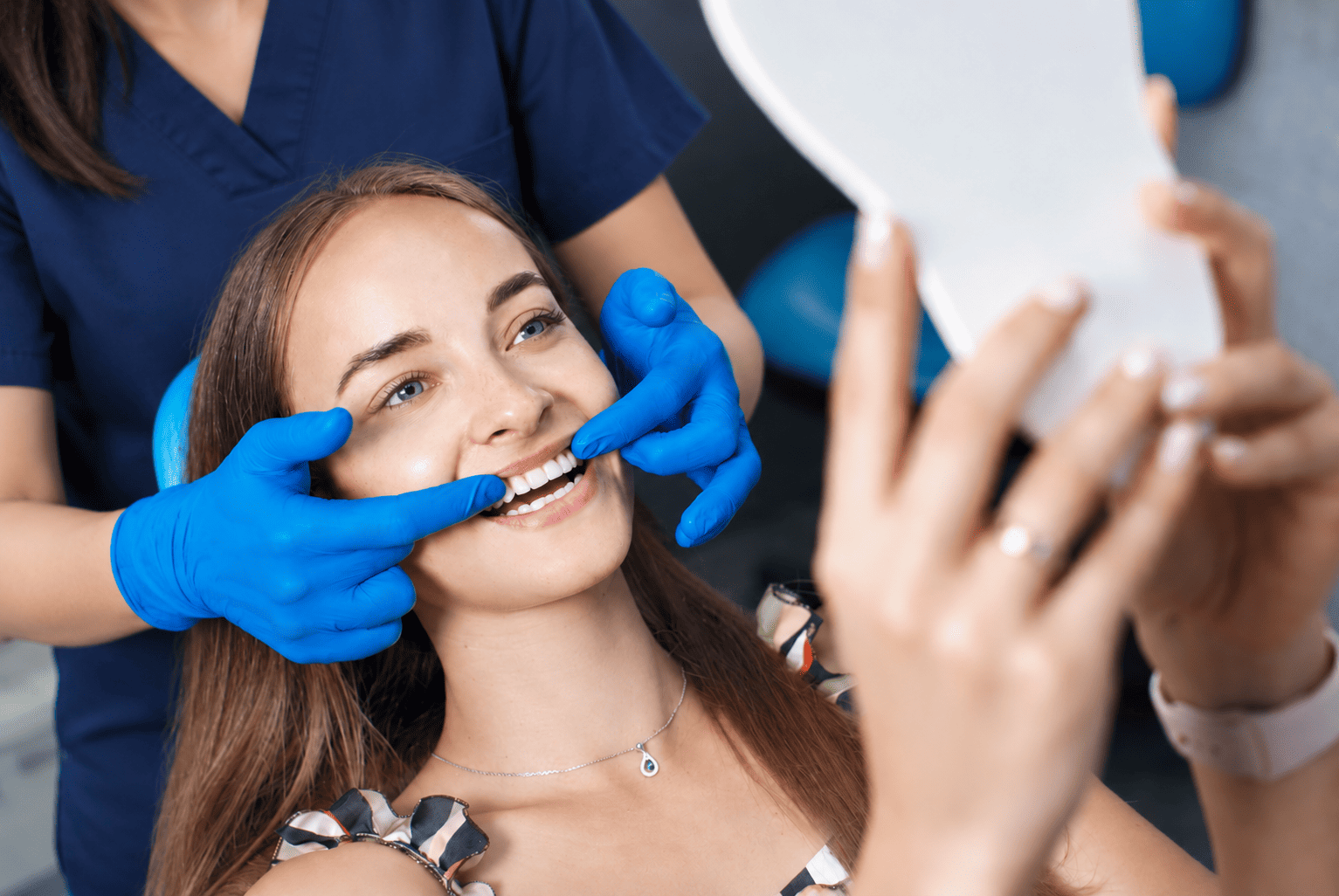
Dentist examining a patient's teeth during a cosmetic dental consultation

Chipped, discoloured, or uneven teeth can result from tooth damage, changes in tooth colour, or differences in tooth shape and size. Ceramic veneers are thin, custom-made shells bonded to the front surface of a tooth to change its visible shape, colour, or size. They can be considered when these concerns cannot be corrected through treatments such as teeth whitening or tooth-coloured restorations.

Ceramic veneers are not suitable for every tooth. Before recommending them, a dentist checks the condition of the tooth, the surrounding gums, the bite, and the remaining tooth structure. The assessment findings are reviewed to determine if a ceramic veneer is suitable or if another cosmetic or restorative treatment would be a better option.

Which Tooth Problems Can Ceramic Veneers Improve?

Ceramic veneers can change the visible shape, colour, and proportions of selected teeth. They are mainly used for cosmetic concerns involving the front teeth, with the treatment choice based on the condition and position of the teeth.

Common concerns that can be treated with ceramic veneers include:

  • Chipped tooth edges – Veneers can restore the visible shape of teeth with small chips where enough healthy tooth structure remains.
  • Persistent tooth discolouration – Veneers can change the visible colour of teeth with staining or discolouration that remains a concern after whitening.
  • Uneven tooth shape or size – Veneers can alter the visible proportions of teeth that appear shorter, narrower, or irregular compared with neighbouring teeth.
  • Selected gaps between teeth – Veneers can close certain small spaces between front teeth by changing the visible width of the treated teeth.

The individual teeth and surrounding oral structures are assessed before recommending veneers. The condition of the tooth, existing restorations, bite, and position of the teeth are reviewed before selecting the most suitable cosmetic treatment.

Ceramic Veneers for Chipped Teeth

A chipped tooth may have a small portion of the enamel missing, creating an uneven edge or changing the tooth’s original shape. The treatment depends on the size of the chip, where it is present on the tooth, the condition of the tooth, and the healthy tooth structure that remains.

A ceramic veneer can be placed over the front surface of a chipped tooth to restore its shape and improve its appearance. This can be considered for chips that are visible on the front of the tooth. Smaller chips can be treated with a tooth-coloured restoration, where composite resin is applied to the tooth to restore the missing enamel and tooth shape.

Ceramic Veneers for Discoloured Teeth

Tooth discolouration can develop from staining, changes within the tooth, certain medications, or changes that occur as the tooth develops. The type and cause of the discolouration are important when deciding which cosmetic treatment is suitable.

Teeth whitening can improve many types of surface staining and some forms of tooth discolouration. When the colour remains uneven or does not reach the desired shade with whitening, ceramic veneers can change the visible colour of selected teeth. Veneers can also be used when discolouration occurs with changes in tooth shape or other cosmetic concerns.

The veneer shade is selected to suit the planned treatment and the surrounding teeth. The final shade is selected based on the colour of the natural teeth so that the treated teeth have a suitable appearance.

Ceramic Veneers for Uneven Teeth or Size

Teeth can appear uneven when their length, shape, or visible width differs from neighbouring teeth. Small differences in tooth shape or length can be corrected with tooth reshaping or composite resin restorations, depending on the tooth and the extent of the change required.

Ceramic veneers can change the visible length, width, contour, and shape of selected teeth. Veneer placement requires sufficient healthy tooth structure and a bite that is suitable for the planned veneer. The position of the teeth and the condition of the tooth structure are also assessed before treatment.

Ceramic Veneers for Gaps Between Teeth

Ceramic veneers can reduce small gaps between front teeth by increasing the visible width of the teeth and reducing the space between them. They are suitable for certain types of spacing when the teeth and surrounding gums are healthy and the bite is suitable for veneers.

The size and position of the gap, the shape of the teeth, the condition of the surrounding teeth, and the bite are assessed before treatment. Orthodontic treatment is generally preferred when the spacing is related to the position of the teeth or requires the teeth to be repositioned. Veneers are primarily used when the gap can be corrected by changing the visible shape and width of the teeth.

When Are Ceramic Veneers a Suitable Treatment?

Ceramic veneers are suitable for teeth where the main concern is the visible shape, colour, size, or minor surface irregularity, and the tooth has enough healthy structure for veneer placement. They are most commonly used on front teeth where these changes can be made without altering the position of the tooth.

The suitability of ceramic veneers is based on the following:

  • Condition of the tooth and existing restorations – Decay, cracks, fractures, large fillings, or existing crowns need to be treated before a ceramic veneer is placed.
  • Healthy tooth structure – Healthy enamel provides the bonding surface for a ceramic veneer, while the remaining tooth structure supports the veneer.
  • Tooth colour and type of discolouration – Surface staining, deeper discolouration, and changes within the tooth can require different cosmetic treatments.
  • Tooth shape and size – The existing proportions of the tooth are important when changing its visible length, width, or contour with a veneer.
  • Position of the teeth – Veneers change the visible shape of a tooth but do not reposition it. Teeth that need to be moved into a different position require orthodontic treatment.
  • Bite between the upper and lower teeth – The way the upper and lower teeth meet determines where the veneer receives pressure during biting and chewing.
  • Gum health – Inflamed or bleeding gums around the tooth can cause problems around the edge of a veneer and should be treated before placement.

Ceramic veneers are suitable when the tooth has sufficient healthy structure and the desired cosmetic change can be made while maintaining the health of the tooth and the natural bite.

When Is Another Cosmetic Treatment More Suitable?

Ceramic veneers are not needed for every cosmetic dental concern. The right treatment depends on whether the concern involves tooth colour, tooth shape, tooth damage, or the position of the teeth.

Teeth Whitening

Professional teeth whitening is suitable when the main concern is tooth colour and the discolouration can be improved through whitening treatment. It changes the colour of the natural teeth without placing a restoration over them.

Tooth-Coloured Restorations

A tooth-coloured restoration can be used for smaller chips, minor changes in tooth shape, or areas of tooth damage. Composite resin is bonded to the tooth and shaped to restore the damaged or missing part of the tooth.

Orthodontic Treatment

Braces or clear aligners are used when the main concern is tooth position, spacing, crowding, or bite. These treatments gradually reposition the teeth instead of changing only their visible shape.

The choice between these treatments depends on the condition of the tooth, the type of cosmetic concern, and whether the change involves tooth colour, tooth shape, or tooth position.

Do Ceramic Veneers Require Tooth Preparation?

Ceramic veneers usually require some removal of enamel from the front of the tooth to make space for the ceramic veneer. The extent of enamel removal varies between teeth based on their existing shape, position, and the change required in the final appearance.

The dentist preserves as much healthy tooth structure as needed for the veneer to fit correctly and bond to the tooth. Teeth that are already well positioned and have a suitable shape can require less enamel removal.

The dentist will explain the tooth preparation before the veneer is placed, including where enamel will be removed and how the tooth will be shaped for the veneer.

What Is Considered Before Ceramic Veneers Are Placed?

Veneer treatment begins with an examination of the front teeth, surrounding gums, bite, and any existing dental restorations. The dentist examines these areas to review the condition of the teeth and the cosmetic changes that can be made with veneers.

The assessment includes:

  • Examination of the teeth and gums
  • Assessment of tooth shape, colour, and position
  • Evaluation of the bite – The way the upper and lower teeth meet during biting and chewing.
  • Discussion of the desired cosmetic changes
  • Selection of the veneer shade – The shade is chosen based on the colour of the surrounding natural teeth.
  • Digital scans or impressions – Digital scans or physical impressions record the shape and position of the teeth for accurate veneer fabrication.
  • Shape and proportions of each veneer – The length, width, and contour of each veneer are considered in relation to the teeth next to it.

The number of veneers required depends on which teeth need cosmetic changes and how many teeth are included in the treatment.

How Many Years Can Ceramic Veneers Last?

Ceramic or porcelain veneers typically last 10 to 15 years before replacement is needed, compared with around 4 to 8 years for composite resin veneers. With good oral care and regular dental visits, ceramic veneers can last 20 years or longer.

What Can Damage Ceramic Veneers?

  • Oral hygiene – Regular brushing and cleaning between the teeth reduces plaque build-up and the risk of tooth decay and gum inflammation around the veneers.
  • Excessive biting pressure – Heavy pressure from the bite can cause ceramic veneers to chip or fracture.
  • Teeth grinding or clenching – Repeated grinding or clenching places additional pressure on the veneers and the natural teeth underneath.
  • Biting hard objects – Chewing ice, biting nails, or using the front teeth to open packages can damage the ceramic.
  • Dental problems around the veneer – Decay, gum disease, or changes in the supporting tooth can affect the condition of the veneer.

How to Care for Ceramic Veneers

  • Brush twice a day with fluoride toothpaste.
  • Clean between the teeth every day.
  • Avoid chewing ice and biting hard objects.
  • Do not use the front teeth to open packages.
  • Use a custom night guard if you grind or clench your teeth during sleep.
  • Attend regular dental examinations to monitor the veneers, teeth, and gums.

Ceramic Veneers and Cosmetic Dentistry at Al Salam Health

Al Salam Health provides ceramic veneers as part of its cosmetic dentistry services. Before treatment, the dental team examines the teeth, gums, bite, tooth colour, existing restorations, and healthy tooth structure to decide whether veneers are suitable.

Other cosmetic dentistry services available at Al Salam Health include:

  • Tooth-Coloured Restorations – Composite resin restorations for repairing smaller chips and changes in tooth shape.
  • Ceramic Veneers – Thin ceramic shells for changing the visible colour, shape, size, or contour of selected teeth.
  • Diastema Closure and Spacing Closure – Cosmetic treatment for reducing selected gaps between teeth.
  • Tooth Lengthening – Treatment for changing the visible length of selected teeth.
  • Teeth Whitening – Cosmetic treatment for improving the colour of natural teeth.
  • Gingival De-pigmentation – Treatment for reducing dark pigmentation of the gums.
  • Tooth Jewellery – Cosmetic dental jewellery applied to the tooth surface.
  • Laser Procedures – Laser-based cosmetic dental procedures available as part of the clinic’s services.

The dental team includes:

  • G.P Dentists
  • Specialist Periodontists & Implantologists
  • Specialist Prosthodontists
  • Specialist Orthodontists
  • Oral Surgeons

If you are considering ceramic veneers, a consultation with the dental team at Al Salam Health can provide a clear assessment of veneer suitability and the cosmetic treatment options available.

Leave a comment

Subscribe for the updates!

[mc4wp_form id="461" element_id="style-11"]